Aseptic Processing
Innovative solutions for bioprocessing applications
Aseptic bioprocessing is a method of manufacturing that produces foods and pharmaceuticals that are free of bacteria without subjecting the final product to terminal sterilization. Many bioprocessing products are composed of living components and can suffer from degradation and denaturation rendering them ineffective when subjected to the harsh conditions of terminal sterilization., such as autoclaves, hydrogen peroxide, and radiation. Aseptic process manufacturing allows these products to be developed in a sterile environment, allowing them to maintain their effectiveness while being safe to introduce to the end consumer, whether it be through ingestion or injection.
While all food and drug manufacturing need to have well developed environmental and engineering controls, it is especially critical for aseptic processing manufacturers. Environmental parameters monitored can include air quality and particulate counts, temperature, humidity, ventilation and air flow. Tighter requirements for control and monitoring are reflected in current good manufacturing practices (cGMP).
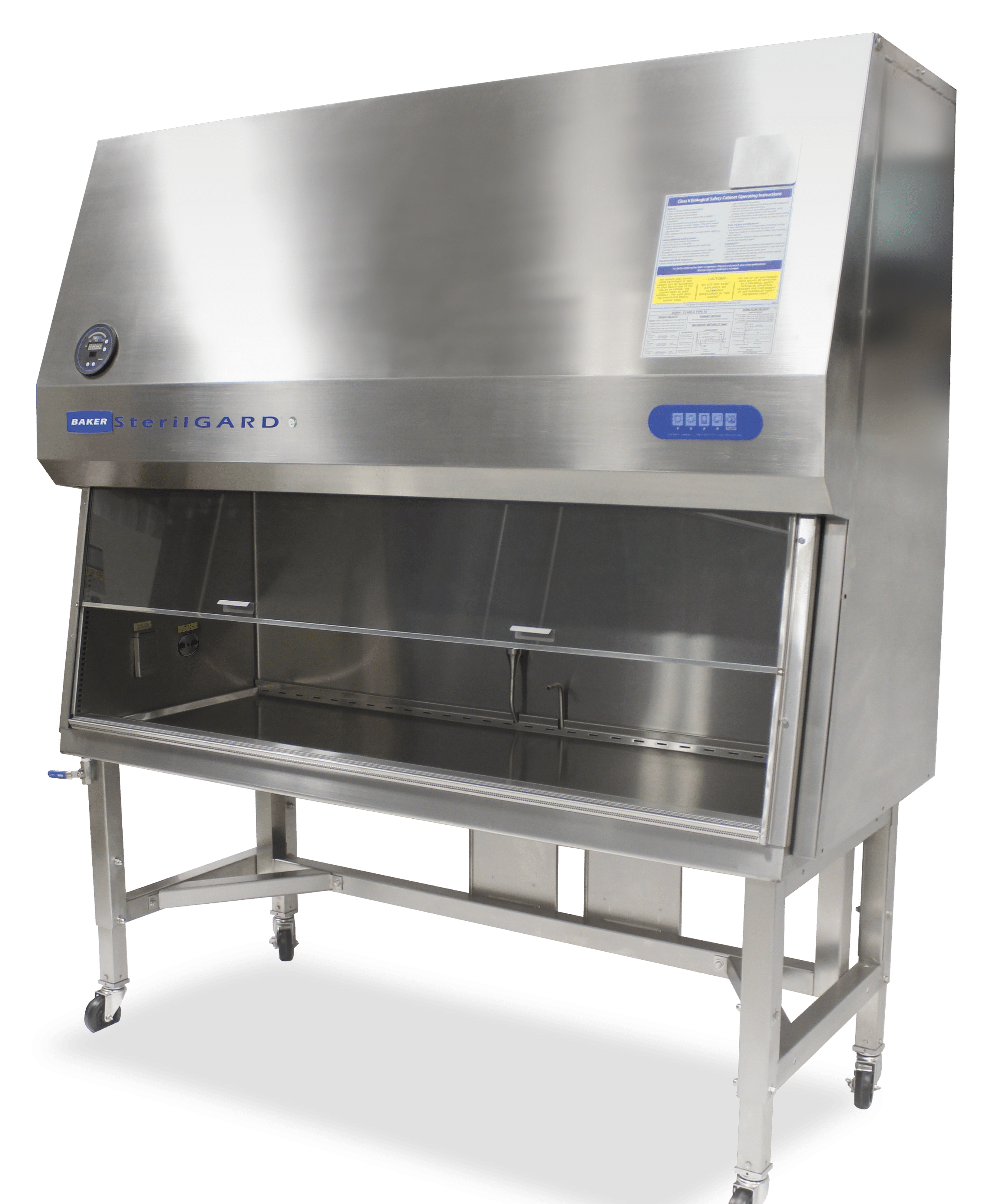
Baker biosafety cabinets can play a vital role in providing engineering controls in open bench aseptic processing environments. Industry leading performance allows for creation of ISO Class 5 environments ideal for aseptic processing, while stainless steel construction materials provide durability for use with stringent decontamination protocols. Integrated particle and pressure monitoring, as well as material verification packages and IQ/OQ documents provide support to achieve compliance with cGMP regulations.
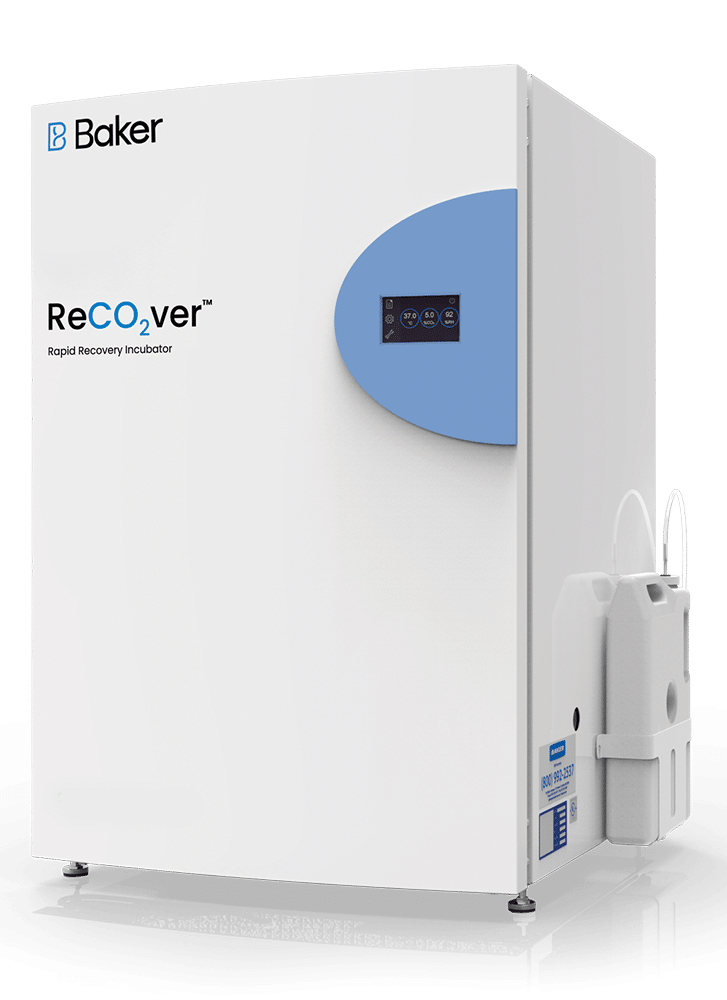
The rapid expansion of aseptic processing applications has created challenges for manufacturers as cGMP workflows have expanded. Integration of laboratory automation into these workflows can create difficulties. Baker offers adaptable enclosures for lab auto equipment as a solution to help support these efficiency improving additions. Integrating Baker incubators into cGMP workflows is supported through stainless steel construction materials, IQ/OQ
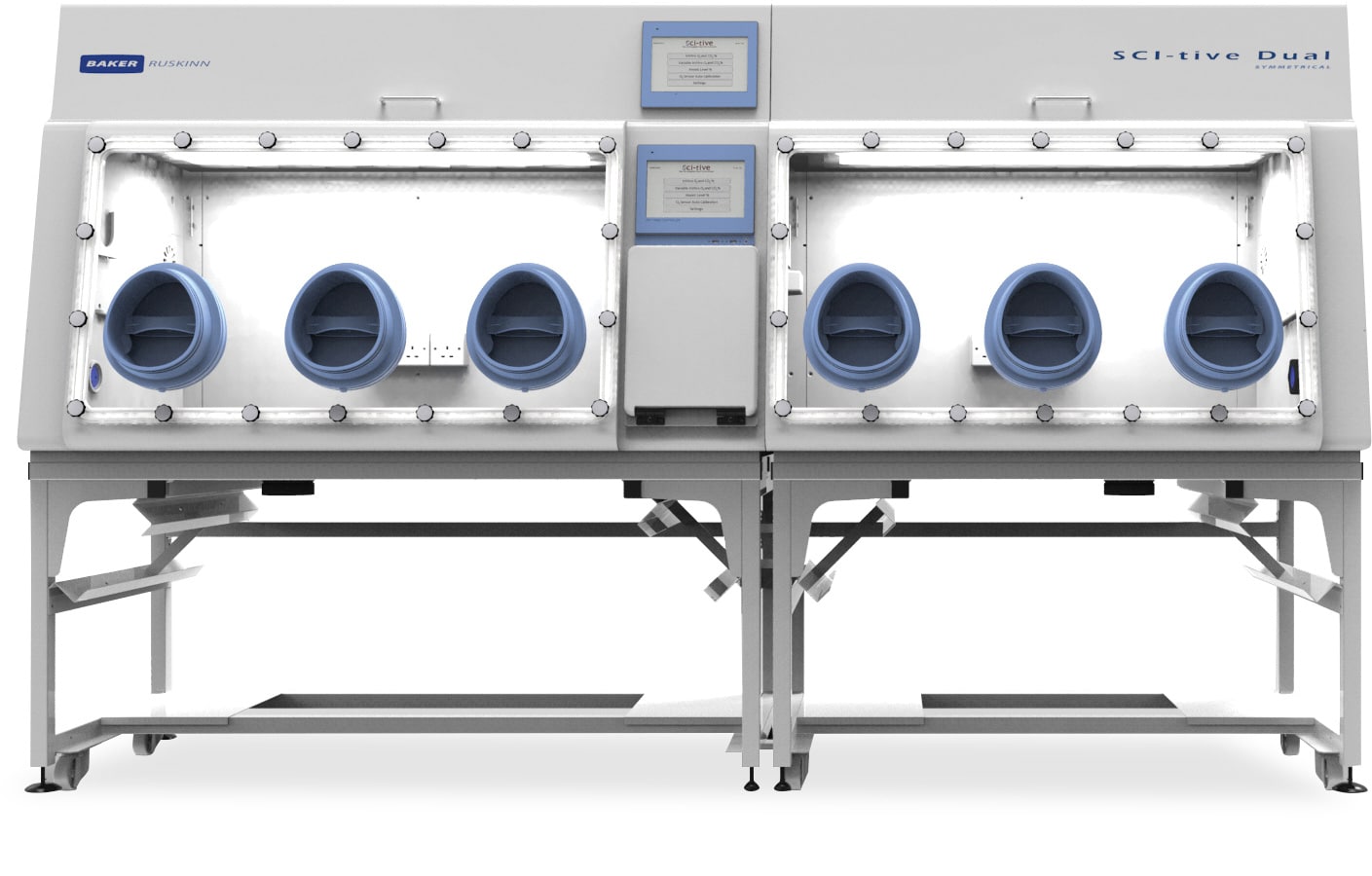
documentation packages, and CFR complaint monitoring solutions. Many manufacturers have begone utilizing closed bench bioprocessing techniques. Baker’s physiological cell culture workstations can provide isolated work environments for small batch bioprocessing applications and allow for complete control of environmental parameters creating optimal conditions for each phase of development.