Myth or fact: Does overcrowding a BSC (Biological Safety Cabinet) lead to loss of protection?
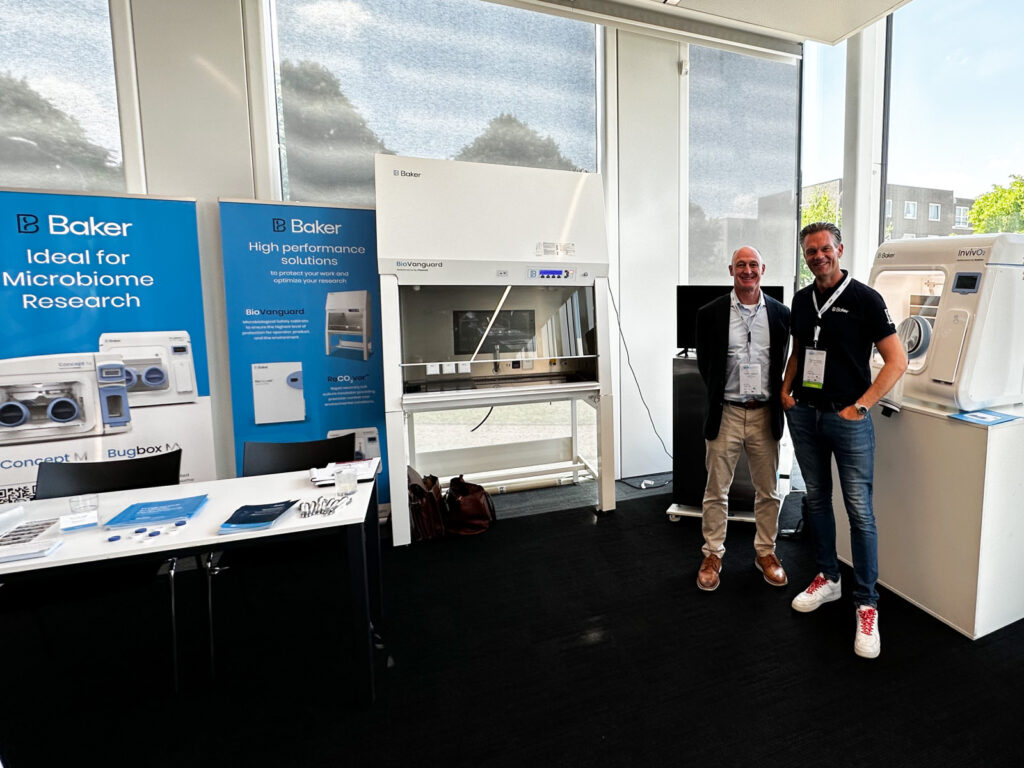
At the recent leading laboratory safety conference, EBSA, Diko Strietman, Director of The Baker Company, presented an example from the Baker BSC MythBusters program that illustrates what can go wrong when working safely in a Biological Safety Cabinet (BSC).
His lecture, titled “Does overcrowding a BSC lead to loss of protection?”, received strong support from the attending experts. The top European safety officers were present and responded positively to the presentation.
“The EBSA conference was once again a great success. The full room at our MythBusters presentation demonstrated the relevance of this topic for the participants. We received many positive reactions and targeted questions, showing that this approach meets the needs of safety professionals. Expanding these programs can contribute to broader knowledge in the industry, and The Baker Company is eager to play a part,” said Strietman.
“EBSA plays a crucial role in the industry; the event attracts all leading companies and specialists, creating a unique opportunity to share knowledge and jointly develop solutions for a safe biological working environment. The presence of so many key players underlines the importance of this annual event for our sector.”
Fact or fiction?
In laboratories, various guidelines and rumors circulate about the correct use of a Biological Safety Cabinet (BSC). The Baker Company decided to provide clarity with the BSC MythBusters series – a set of independent, scientifically based experiments aimed at debunking or confirming frequently asked questions.
The latest edition addresses the widely discussed question: “Does overcrowding a BSC lead to loss of protection?”
What does the MythBusters research say?
In carefully controlled tests with the BioVanguard Class II Type A2 BSC:
- At 75% capacity without blocking the front grille, air quality remained within ISO Class 5 standards.
- If the front air intake was blocked, the cabinet immediately failed both air cleanliness and personnel protection.
- At 100% capacity, protection was insufficient, while at 50% capacity, all protection levels remained intact.
The conclusion, according to Strietman, is crystal clear: “It’s not just the amount of material in the cabinet, but its placement that is crucial. Blocking airflow, especially at the front grille, fundamentally disrupts the operation of the BSC.”
Practical tips for laboratory staff
“A BSC only protects when used correctly. By debunking myths and sharing practical guidelines, we make laboratories safer worldwide.”
Strietman highlighted several tips in his lecture:
- Never block the front air intake – even with small objects.
- Use the BSC only for active work – not as storage.
- Allow space for free airflow – place tall items at the back and consider dynamic use; movement increases risks.
With these new insights, The Baker Company calls on laboratories to increase awareness and change behaviors. Protection begins with understanding.