How Hypoxia Rewires Epigenetics and Splicing to Drive EMT in Breast Cancer
Solid tumors rarely grow in well-oxygenated conditions. As tumors expand, regions of low oxygen (hypoxia) emerge due to insufficient blood supply. Far from being passive stress zones, these hypoxic niches actively reshape cancer cell behavior. Cells exposed to low oxygen undergo molecular adaptations that promote survival, mobility, and ultimately invasion into surrounding tissue.
One of the most powerful drivers of this adaptation is epigenetic regulation, the chemical modification of DNA and histones that alters gene activity without changing the underlying genetic code. Hypoxia also profoundly influences alternative splicing, the process by which a single gene can generate multiple protein variants with different functions. When these two regulatory layers intersect, they can decisively shift cancer cells toward a more aggressive state.
Epigenetics Meets RNA Splicing Under Hypoxia
Alternative splicing is often thought of as a purely RNA-level event, but it is increasingly clear that chromatin structure plays a central role. Histone modifications and DNA methylation can influence how quickly RNA polymerase II moves along a gene, which in turn affects which exons are included or skipped during splicing.
Under hypoxic conditions, cancer cells activate specific epigenetic enzymes that modify histones at strategic locations along genes involved in invasion and metastasis. These modifications create localized chromatin environments that bias splicing decisions toward protein isoforms that favor mobility, plasticity, and resistance to stress.
PRMT5: A Hypoxia-Responsive Epigenetic Regulator
One enzyme that becomes particularly important under low oxygen is PRMT5, a protein arginine methyltransferase. PRMT5 modifies histones by adding symmetric dimethyl groups to specific arginine residues. These histone marks are not merely decorative; they serve as docking platforms for additional regulatory proteins.
In hypoxic cancer cells, PRMT5 levels rise and its histone-modifying activity increases. This shift is not accidental. Hypoxia reduces DNA methylation at regulatory regions upstream of the PRMT5 gene, allowing transcriptional regulators to boost its expression. As a result, PRMT5 becomes a central coordinator of chromatin changes that enable cancer cells to adapt to oxygen deprivation.
From Histone Marks to DNA Methylation
PRMT5-dependent histone modifications do not act in isolation. One of the key consequences of PRMT5 activity is the recruitment of DNA methyltransferases, enzymes that add methyl groups directly to DNA. When PRMT5 modifies histone H4 at specific arginine residues, it creates a signal that attracts DNMT3A, leading to targeted DNA methylation at nearby regulatory regions.
This layered epigenetic control is particularly powerful at intronic regions that influence splicing. DNA methylation at these sites alters which proteins can bind the gene, changing how transcription and splicing are coordinated.
Slowing RNA Polymerase to Change Splicing Outcomes
DNA methylation at splicing-regulatory regions attracts methyl-binding proteins such as MeCP2. When MeCP2 binds methylated DNA within a gene, it can slow down RNA polymerase II as it transcribes the gene. This pause is not trivial. The speed of transcription strongly influences whether certain exons are recognized or skipped by the splicing machinery.
Under hypoxia, polymerase pausing creates a window of opportunity for negative splicing factors to bind the nascent RNA. These factors actively suppress inclusion of specific exons, steering the cell toward alternative isoforms that support invasion and phenotypic flexibility.
A Case Study: TCF3 Isoform Switching
A striking example of this process occurs in the gene TCF3, which encodes transcription factors involved in epithelial–mesenchymal transition (EMT). EMT is a cellular program that allows epithelial cells to lose polarity and adhesion, adopting mesenchymal traits that enable migration and invasion.
TCF3 can be spliced into two mutually exclusive isoforms. One isoform supports epithelial characteristics, while the other promotes invasion. Under hypoxic conditions, epigenetic remodeling at a conserved intronic region of TCF3 favors exclusion of the epithelial-associated exon and inclusion of the pro-invasive exon.
This splicing switch is driven by a cascade of events:
- PRMT5 deposits histone methylation marks at the intronic regulatory region
- DNMT3A methylates the underlying DNA
- MeCP2 binds methylated DNA and slows RNA polymerase
- Splicing repressors are recruited, blocking exon inclusion
The outcome is a protein isoform that actively supports EMT and invasive behavior.
Consequences for EMT and Tumor Invasion
Cells expressing the hypoxia-favored TCF3 isoform show classic EMT features:
- Reduced epithelial markers such as E-cadherin
- Increased mesenchymal markers like vimentin
- Enhanced invasive capacity in extracellular matrix models
When PRMT5 activity is reduced or blocked, these changes are reversed. Cancer cells retain epithelial features, show reduced invasion, and fail to execute the full EMT program under hypoxia. This highlights how tightly epigenetics, splicing, and cell behavior are linked.
Why This Matters
Hypoxia is a defining feature of aggressive tumors, and the ability of cancer cells to reprogram themselves under low oxygen is a major driver of metastasis. Understanding how epigenetic enzymes like PRMT5 control RNA splicing provides insight into how environmental stress is translated into stable, pro-invasive cellular states.
This knowledge opens new avenues for therapeutic intervention. Targeting enzymes that sit at the intersection of chromatin regulation and splicing may allow disruption of invasive programs without broadly shutting down gene expression. In the future, strategies that interfere with hypoxia-driven epigenetic rewiring could help limit tumor progression and metastasis.
Best-fit Baker gear and why:
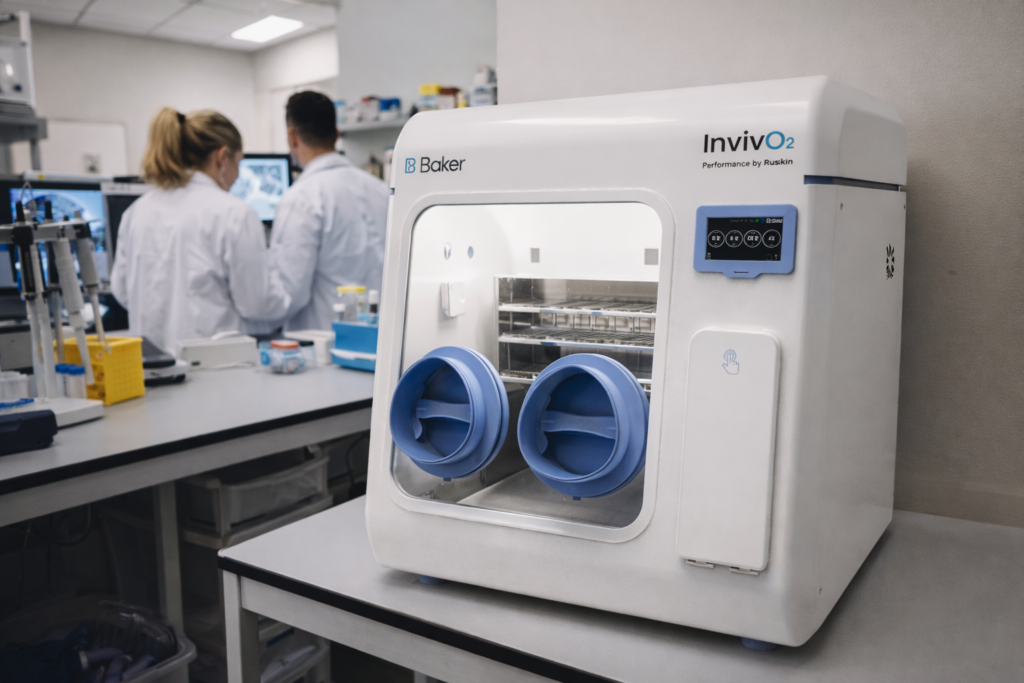
Provides precise, physiologic oxygen control for cell culture and handling, enabling long-term adaptation to physioxia or hypoxia for extracellular vesicle research that more accurately reflects in vivo biology.
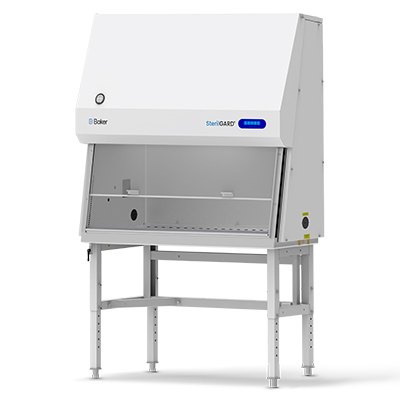
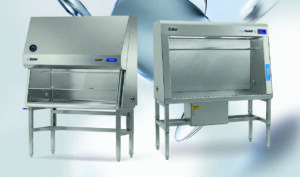
SterilGARD® e3 Biosafety Cabinet
Ensures clean, contamination-controlled handling of cells and extracellular vesicle samples during preparation, processing, and downstream workflows without disrupting laboratory safety or sample integrity.
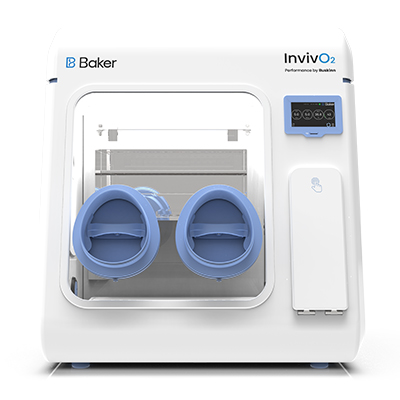
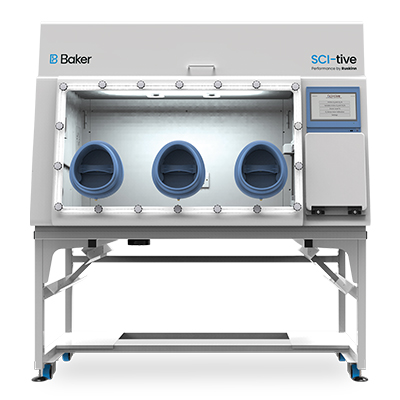
Supports stable, low-oxygen environments for hypoxia-driven cell culture studies, allowing researchers to investigate how oxygen tension influences cellular behavior and extracellular vesicle production.