Biosafety Cabinet Protocol: Using a BSC the Right Way
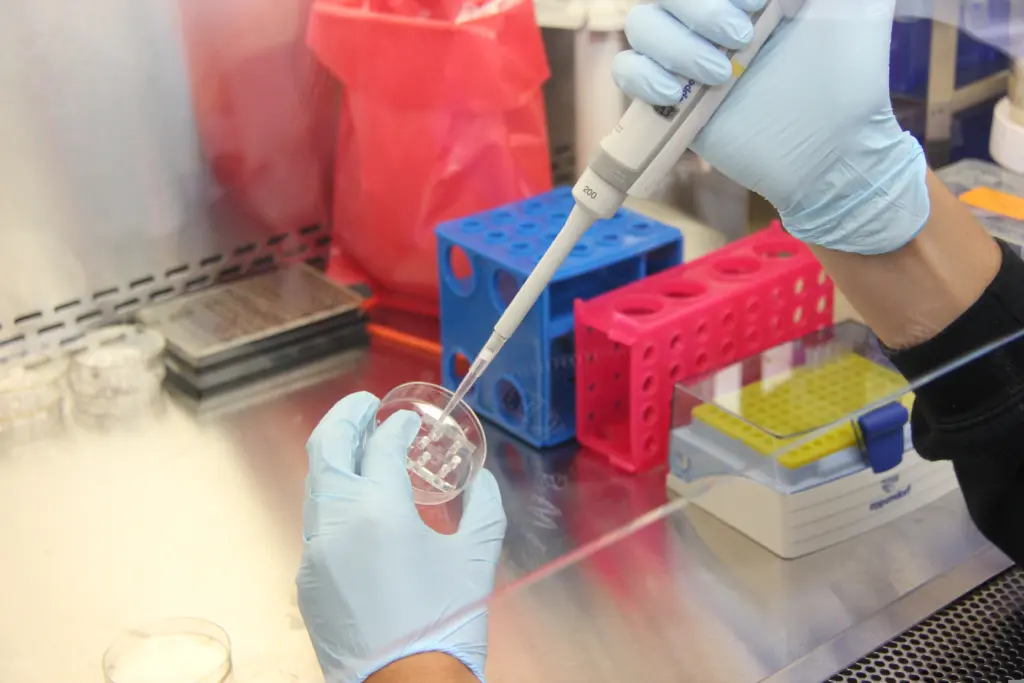
We work hard to produce biosafety cabinets that protect both users and their research, testing and re-testing performance from the factory floor to the installation site
The one wild card affecting performance is the way the cabinet is used after installation. Here are 9 safety tips for how to use a biosafety cabinet – the right way.
For more on the proper use of a biosafety cabinet, check out this video.
Biosafety Cabinet Protocol: A 9-Point Checklist
1. Prevent Air Flow Problems
Never work in a biosafety cabinet if the Magnehelic gauge indicates a problem – call for service immediately. The Magnehelic gauge should read close to the setting at the last certification (record that reading for easy reference). A reading that’s too high or low may indicate a problem with airflows, putting personnel or product at risk.
2. Separate Clean & Dirty Items
Never mix clean and dirty items inside the cabinet. Instead, take care to use a systematic process (e.g., left to right, or front to back) to separate clean items from dirty to avoid contamination. Limiting items inside the cabinet to only the most essential is also a good preventive measure.
3. Keep Intake Air Grille Clear
It’s tempting to put clipboards down at the front of cabinet, or to lean on the front grille with your arms as you work. But when untreated laboratory air is blocked from entering the front grille, it can flow over the work surface, contaminating the product and posing a risk to personnel. Never block the front air intake grille.
4. Disinfect Items Before Removing Them From the Cabinet
Anything placed into a biosafety cabinet will become contaminated – clipboards, pens, pencils, etc. As a rule, allow only the items essential to your task to be placed inside the cabinet. If anything else makes its way inside, always disinfect such items before taking them out.
5. Dispose of Waste Properly
Pipettes should be decontaminated within the cabinet. Disinfect items in a shallow pan filled with an appropriate disinfectant. Other biohazard waste should be similarly bagged inside the cabinet to avoid spreading contamination. Removing disinfected waste from the cabinet frequently cuts down on clutter and keeps airflow moving the way it’s supposed to.
6. Keep the Top of the Biosafety Cabinet Clear
Class II Type A biosafety cabinets that are not connected to an exhaust system use an air diffuser that also protects the exhaust HEPA filter. This filter is very fragile and easily damaged. Make sure the diffuser is installed correctly and not blocked. Keep the top of the cabinet clear. Your owner’s manual will have details.
7. Use the Correct Sash Height
Never work in a biosafety cabinet when the sash is not at the correct height. An alarm sounds and flashes when the sash is opened too high or closed too low. The alarm can be silenced for five minutes at a time to allow the loading of large equipment and for cleaning.
8. Use UV Lights Safely
UV radiation is hazardous to your health. Newer cabinets have a safety circuit that allows the UV light to activate only if the sash is completely closed. Do not adjust this important setting. For older cabinets, make sure the sash is completely closed before using the UV light. The glass sash will protect you from harmful UV radiation.
9. Ban Open Flames
Flammable gases are not captured by HEPA filters, so if a Bunsen burner or other open flame is used inside a biosafety cabinet, these gases may recirculate and build up, posing an explosion or fire risk. Additionally, the heat from an open flame can disrupt airflows that protect you and your research. Find a substitute for open flames.
Bonus Tip: Is Your Biosafety Cabinet Right For Your Research?
Part of using good biosafety cabinet protocol is ensuring you are using the right class and type of biosafety cabinet for the type of work you plan to do. The biosafety cabinet decision map can help you answer this question in seconds.