Clostridium Basics for Scientists: What to Know and How to Get Reliable Results
Meet Clostridium: anaerobes with outsized impact
“Clostridium” spans a big cast of obligate anaerobes, from toxin-producers like C. perfringens and C. botulinum, to gut commensals (e.g., C. butyricum), to the healthcare-associated pathogen now reclassified as Clostridioides difficile. What unites them is an affinity for low-oxygen niches, spore formation (environmental persistence), and powerful metabolism that can sway host biology.
The clinical headliner: Clostridioides difficile
CDI typically follows antibiotic-induced dysbiosis. Today’s front line favors fidaxomicin (or vancomycin) to clear infection while preserving more of the microbiome, with bezlotoxumab to cut recurrence in high-risk patients. After multiple recurrences, microbiota restoration therapies (FDA-approved live biotherapeutics) have become standard to rebuild colonization resistance. Prevention hinges on antimicrobial stewardship, hand hygiene (soap and water for spores), and environmental spore control.
Beyond infection: metabolism and the Clostridium link
Not all Clostridium are villains. Some species help convert lactate and fibers into short-chain fatty acids (like butyrate) that support gut barrier and metabolic health. Conversely, when key Clostridium groups decline, bile-acid chemistry shifts, for example, reduced microbial pathways that generate UDCA can dial down TGR5-GLP-1 signaling and nudge glucose intolerance. A 2024 study tied statin-induced microbiome changes (including lower Clostridium) to lower GLP-1 and worse insulin sensitivity, partly rescued by UDCA or Clostridium re-introduction (human + preclinical data). It’s a striking case of host–drug–microbe crosstalk.
From the gut to the tumor: Clostridium as a cancer tool
Spores of Clostridium novyi-NT can germinate in the hypoxic core of solid tumors, lyse tumor tissue, and inflame the microenvironment, potentially priming responses to anti-PD-1 therapy. Early clinical work combining C. novyi-NT with pembrolizumab explores safety and synergy and reflects a broader theme: carefully harnessed anaerobes might complement immunotherapy by targeting the “undruggable” low-oxygen zones.
Working with Clostridium: getting the environment right (and safe)
Two lab truths:
- Most Clostridium species need low oxygen to grow robustly.
- Some Clostridium (e.g., C. difficile, C. botulinum) produce toxins or spores that require containment.
Process tips that boost data quality:
- Minimize oxygen excursions: Stage media and instruments pre-reduced inside the workstation; use O₂-stable reducing systems (e.g., cysteine/dithiothreitol or commercially validated gas mixes).
- Validate redox: Track O/R potential and oxygen indicators; small drifts can change SCFA vs. solvent profiles in Clostridium cultures.
- Spore discipline: For CDI work: sporicidal surface chemistries (peracetic acid/bleach), glove-change checkpoints leaving the BSC, and clear “clean vs. dirty” zones.
- Document gas & temp profiles: Many Clostridium phenotypes (toxin expression, bile-acid transformations) are oxygen and temperature-sensitive; log workstation setpoints in your methods.
What can go wrong with the wrong equipment?
When Clostridium research is performed without the proper setup, outcomes can be compromised in ways that affect scientific validity, laboratory safety, and resource efficiency:
- False negatives or biased results: Oxygen leaks in non-anaerobic incubators can prevent Clostridium growth entirely or skew their metabolic profiles (e.g., butyrate vs. solvent balance).
- Loss of reproducibility: Small redox shifts from poorly sealed chambers or non-calibrated gas mixes can make results look inconsistent across labs.
- Safety hazards: Handling toxigenic or spore-forming strains outside of proper biosafety cabinets can put researchers, clinical staff, and even facilities at risk of contamination.
- Wasted resources: Experiments may need to be repeated when cultures fail or data prove unreliable, costly in terms of time, funding, and biological material.
Quick takeaways for clinicians and scientists
- CDI care is shifting from “kill the bug” to “fix the ecosystem”, antibiotics plus microbiota restoration to prevent recurrence.
- The microbiome–metabolism axis runs through bile acids and GLP-1; loss of certain Clostridium can tilt glucose control, an angle to watch in metabolic patients on statins.
- Oncolytic anaerobes are a credible partner to immunotherapy for hypoxic tumors; more trials will define who benefits.
- In the lab, match the atmosphere to the bug and use the right containment, that’s how you get reproducible biology and keep people safe.
Best-fit Baker gear and why:
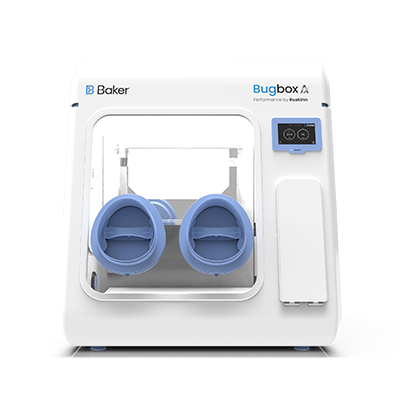
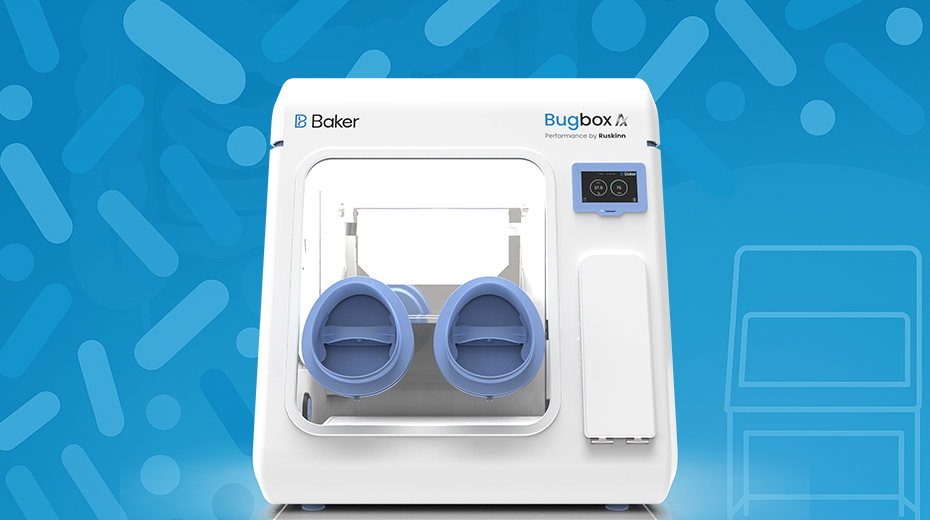
Bugbox® Ax Anaerobic Workstation: (and related anaerobic/hypoxic stations in Baker’s “Grow” range): purpose-built for strict anaerobes.
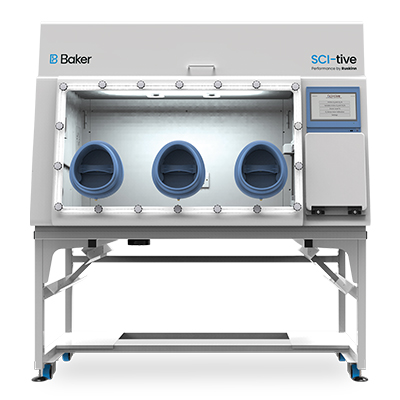
SCI-tive® / InvivO₂® hypoxia workstations: ideal for microaerophiles/physoxia or co-culture models where you want precise O₂ (and CO₂) control rather than full anaerobiosis.
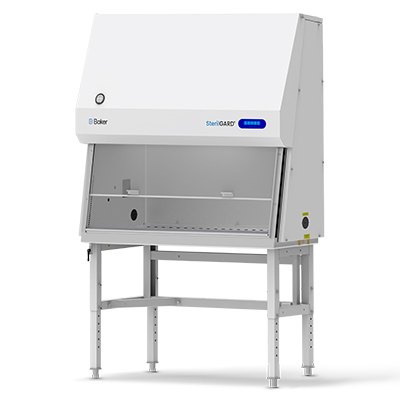
SterilGARD® e3 Class II Type A2 Biosafety Cabinet: the default primary containment when handling toxigenic or spore-forming strains, clinical stool, or toxin preps.
Why it matters: Stable sub-1 ppm O₂ atmosphere, rapid airlock cycling, and integrated incubation let cultures thrive without oxygen shocks, critical for recovering fastidious Clostridium and maintaining physiologic metabolite profiles.
Use case: gut-epithelium or immune co-cultures conditioned at physiologic O₂; metabolite profiling that’s sensitive to redox drift.
Why it matters: Personnel, product, environment protection with NSF/ANSI 49 performance, smooth laminar flow, and robust containment for aerosol-generating procedures (e.g., vortexing, plating, toxin assays). For strictly anaerobic manipulations, place plates/tubes in sealed anaerobic transport jars while moving in/out of the BSC.