Physoxic Cell Culture: Optimizing Oxygen for Cell Growth
Understanding Physoxic Cell Culture Conditions
For life sciences, the choice of environment where cells are cultured plays a critical role in the validity and success of experiments. Oxygen, as essential as it is to cellular life, can also pose risks. High oxygen levels which are often present in standard cell culture environments, produce reactive oxygen species (ROS), leading to cellular stress and potential damage. For cell culture researchers aiming for precision and physiological relevance, a controlled, lower oxygen environment is increasingly favored.
Physoxia refers to the controlled oxygen level mimicking physiological conditions in vivo, typically between 3% and 10% O2. Research shows that cells cultured in these conditions exhibit enhanced viability, reduced oxidative stress, and behavior that more closely aligns with their in vivo characteristics.
Why Standard “Normoxic” Conditions Are Insufficient
Despite the common use of “normoxic” or atmospheric conditions (21% O2) in laboratories, this level is far greater than the oxygen concentration most cells experience within the body and may even be toxic to certain cell types, inducing ROS beyond the cell’s antioxidant capabilities. This oxidative stress can cause macromolecular damage, affecting proteins, lipids, and DNA. The reality is standard “normoxic” conditions are not representative of the physiological environment within tissues and may instead be causing them harm.
Hypoxia vs. Physoxia in Cell Culture
While “hypoxia” means a lower concentration of oxygen, this is typically associated with pathological states. Physoxia, on the other hand, represents a balanced oxygen concentration that supports normal cellular activity without causing oxidative stress. Thus, using a cell culture incubator that can maintain physoxic conditions is critical for researchers looking to replicate more accurate in vivo conditions.
Microbiological incubators or specialized cell culture incubating workstations that support custom O2 levels as well as CO2, temperature and humidity are ideal. Such equipment allows researchers to grow cells at oxygen levels that prevent undue cellular stress, ultimately leading to more reliable experimental outcomes and better cell culture models.
The Impact of Physoxic Environments on Cellular Health
Studies highlight that cells cultured in a physoxic environment exhibit increased clonogenicity and improved differentiation potential. For instance, human bone marrow mesenchymal stem cells (hBMMSCs) grown in 5% O2 demonstrate greater fitness and resilience compared to those grown in standard atmospheric conditions. These studies underscore the importance of an optimized incubator for cell culture settings, not only for basic cell growth but also for advanced research applications in stem cell therapy and regenerative medicine.
Choosing the Right Incubator System for Cell Culture
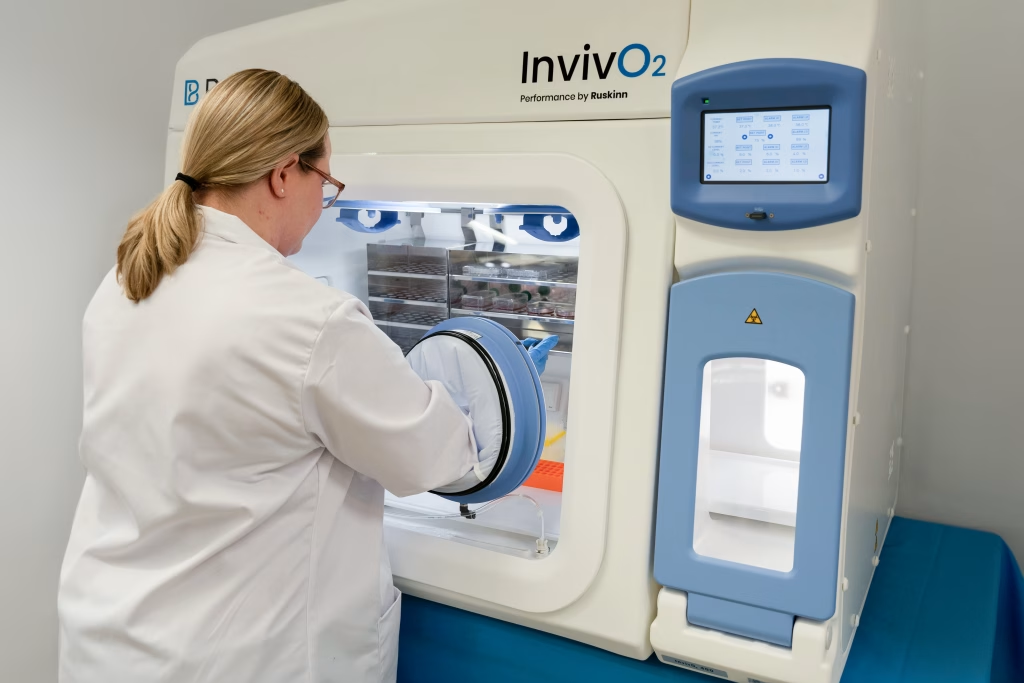
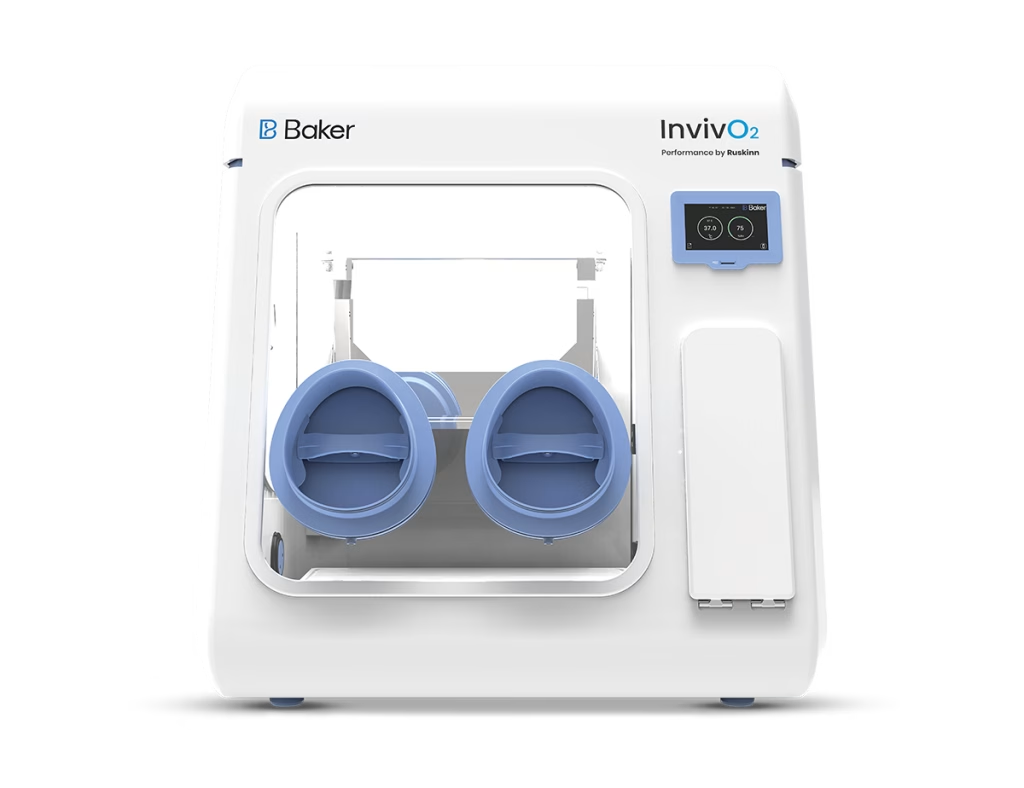
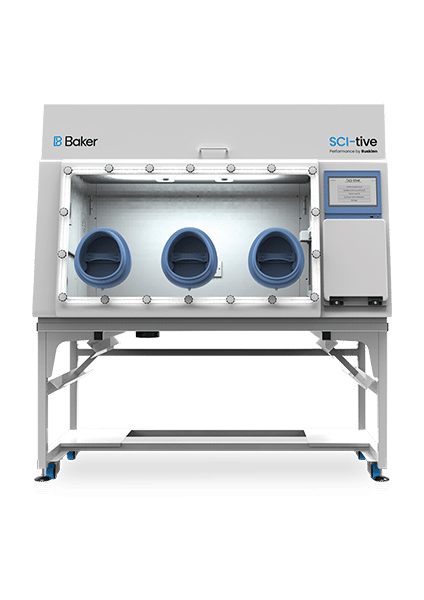
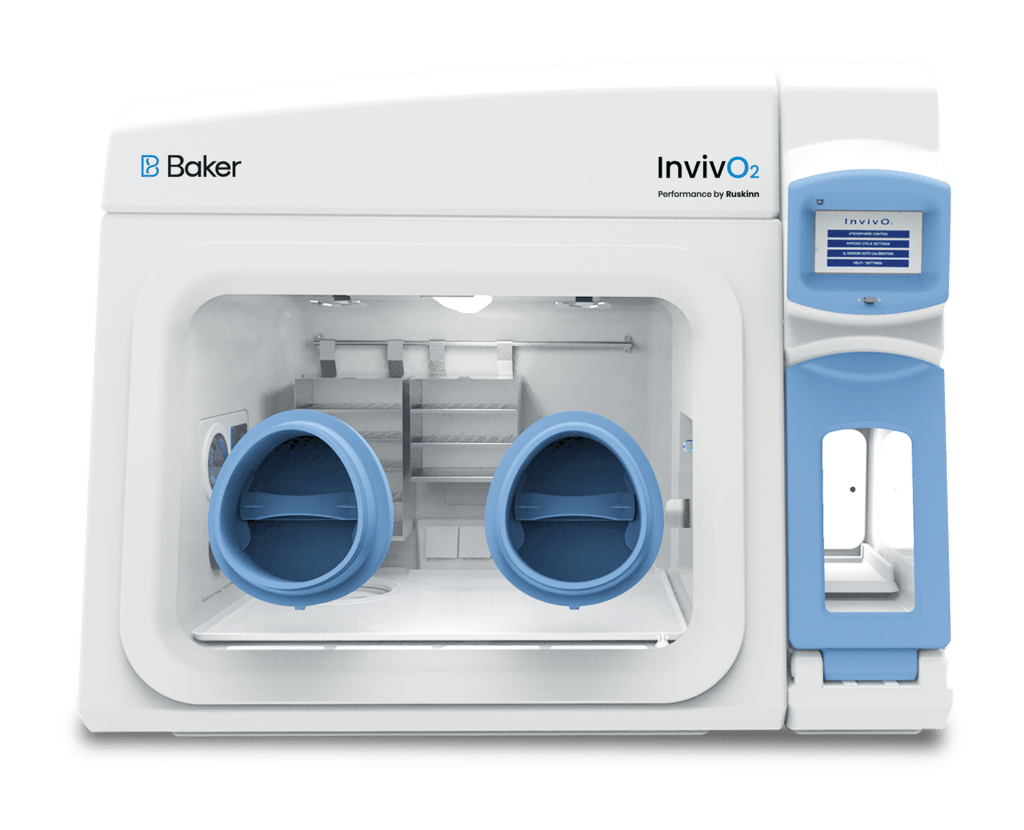
The type of incubator plays a pivotal role in maintaining these controlled environments. Advanced CO2 incubating workstations designed for cell culture, such as the Baker InvivO2 and SCI-tive systems, offer precise control over oxygen, CO2, temperature, and humidity. These cell culture incubators allow researchers to minimize cellular stress by creating stable physoxic or hypoxic conditions tailored to specific cellular requirements and protocols.
The InvivO2 series of workstations provide customizable options for long-term studies, ideal for researchers seeking reliable, continuous physoxic environments for cell culture. For laboratories needing a larger, highly adaptable solution, SCI-tive workstations are excellent for complex experiments requiring consistent control over CO2 and oxygen levels, as well as enclosing experimental equipment. Both systems enable researchers to replicate physiological oxygen conditions more accurately, enhancing the translatability of experimental findings.
Conclusion: Embracing Physoxic Cell Culture for Precision Research
Cultivating cells in a physoxic environment that mirrors natural physiological oxygen levels offers a significant advantage. By leveraging advanced microbiology incubators and CO2 incubators that support physoxic conditions, researchers can mitigate the adverse effects of ROS while fostering cellular behaviors more aligned with their natural states yielding more accurate and reproducible research.