Will vibration destroy my cell culture?
The use of incubators and separate biosafety cabinets for media changes can introduce a whole host of variability to your culturing conditions.
Being transported between warm, humid, CO2-primed air and ambient air can put significant stress on your cells. This is especially true when working with hypoxia. A hypoxic shock, or a few-hour treatment of a hypoxic environment, may help increase your desired results (e.g., upregulation of hypoxia-induced genes), but this short-term treatment is not replicating the natural environment that the cells should be exposed to. In the body, cells are mostly in a hypoxic (lower than ambient air, or normoxic) environment.
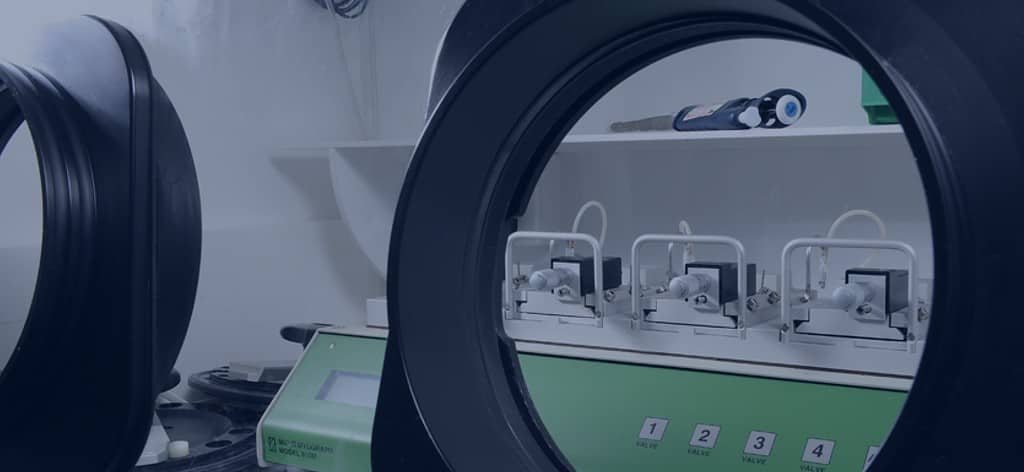
By culturing cells exclusively in a consistent temperature, humidity and oxygen concentration, you can actually mimic in vivo physiology. Now, what if you didn’t ever have to remove them from that ideal environment? Not for media changes, confluency checks on the microscope, or passaging? Instead of moving into a biosafety cabinet, you could conduct all your research in a workstation. This unit has a work surface for cell manipulation, and shelving for growth. The cells never leave. They are plated, cultured, and harvested all within their ideal growing conditions.
Although this sounds like a perfect situation, concerns have been raised about other factors the cells may now be exposed to, such as vibration. We all know that biosafety cabinets rely on airflow for their protection. Airflow is created by motors and fans. The air circulation within a hypoxia workstation works in a similar way. Fans are needed to circulate the warm, humidified air throughout the chamber to ensure equal distribution and a consistent environment. Motors and fans can create noise and vibration, however, and anyone with extensive cell culture experience can tell you that vibration is not a factor you want to have when trying to adhere cells. So that being said, does a hypoxia workstation produce enough vibration to destroy cell cultures?
We recently studied the effect of SCI-tive hypoxia workstation and a standard CO2/O2 incubator on cell adherence. Remarkably, we found that SCI-tive actually increased the amount of cells adhering to the dishes by 1.4-fold, due to the rubber feet or “ferrules” placed on the bottom of the work area. These ferrules absorb 30%-60% more vibration in the x-, y- and z- axes. The addition of an anti-vibration plate on the floor plate work area had an even greater effect, increasing adhesion a total of 1.6-fold. This increase in adhesion was independent of additional weight added to the work surface.
This study conclusively shows the enhanced abilities of cells to thrive in a hypoxic environment even in the presence of fan vibration, and actually increase your cellular output. Combine that with the increased quality and quantity of hypoxic specific results (i.e. upregulated genes), and you are on your way to a landmark study.
Vibration can now be taken out of the drawbacks for using an all-in-one workstation. With increased cell adhesion and better results, who wouldn’t want one?